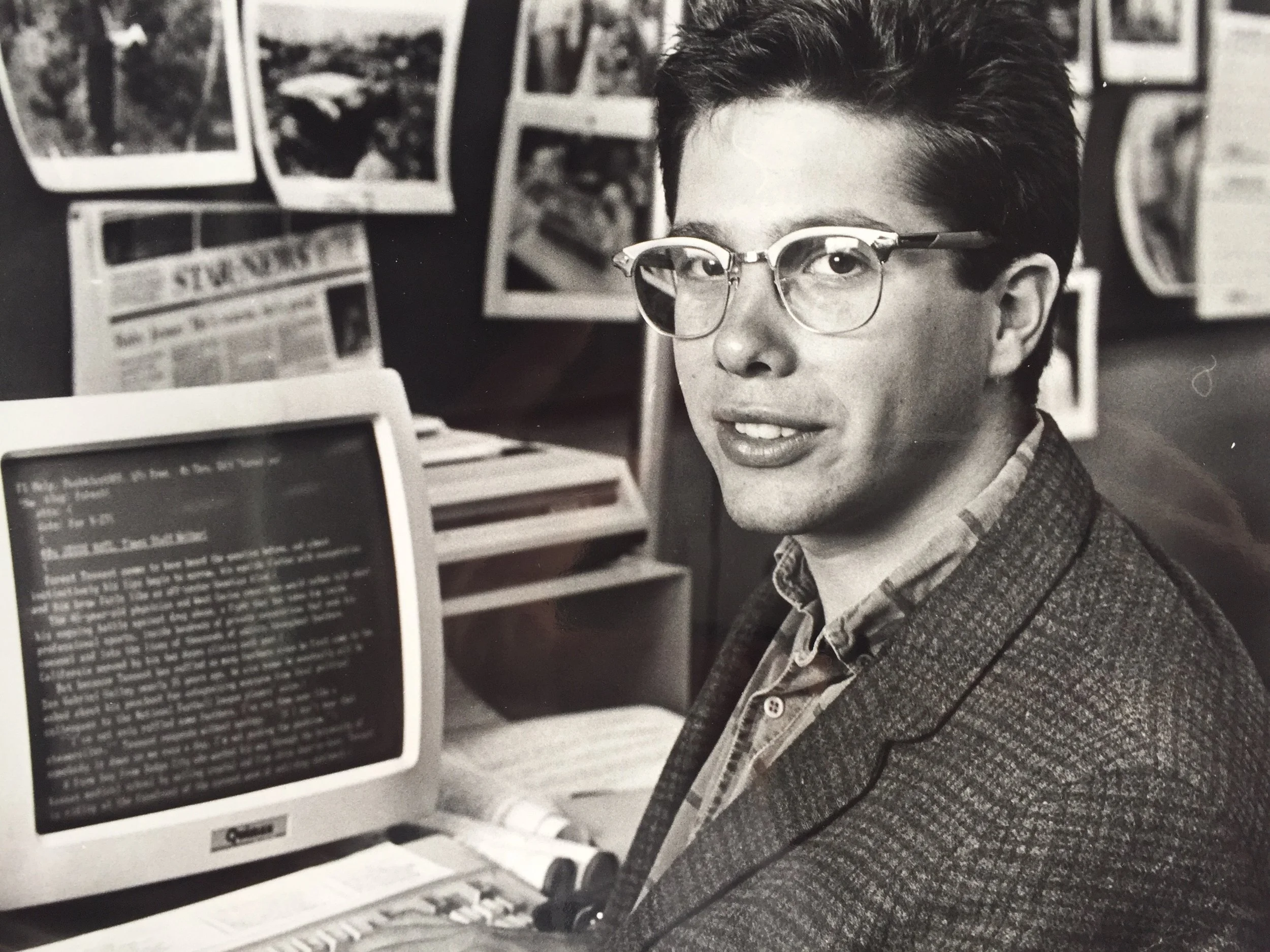
“Jesse Katz delivers the human experience in a way that speaks to us all”
— Michael Connelly, New York Times bestselling author
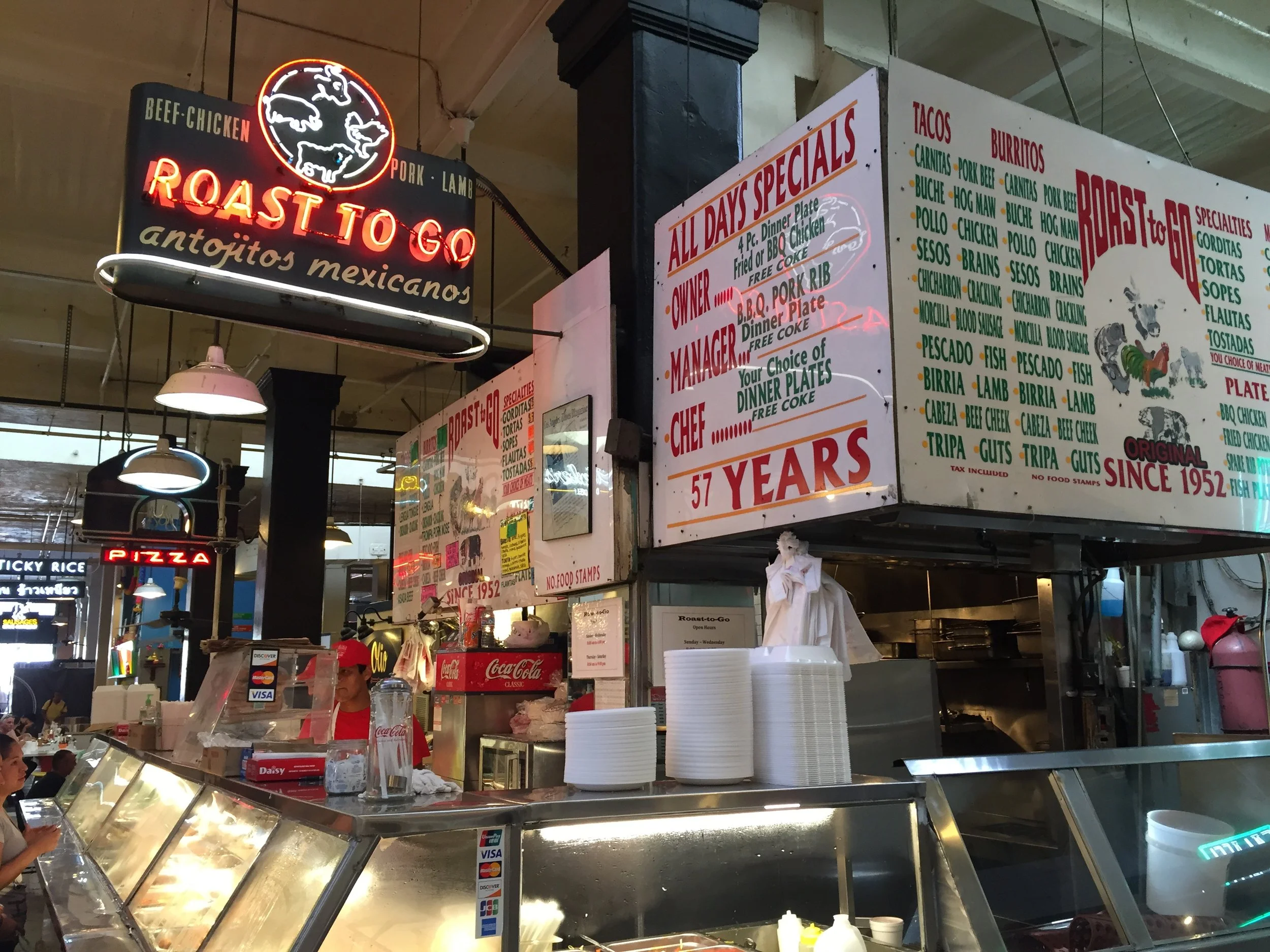
As a writer of literary nonfiction, Jesse has spent four decades telling stories about culture, food, immigration, gangs, sports, music, and the overlooked people of his adopted city, Los Angeles.
His work has received a James Beard Award, the LA Times Book Prize, PEN Center USA’s Literary Journalism Award, and two shared Pulitzer Prizes.
He’s currently writing a biography of Jonathan Gold.
Books
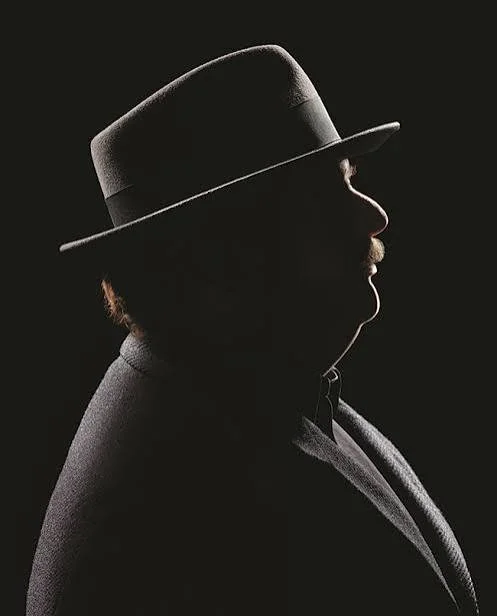
The Last Feast will be a deeply reported portrait of Jonathan Gold, America’s most decorated restaurant critic, the first—and still only—food writer ever to win a Pulitzer Prize. It’s the story of the democratization of dining in a multiracial, multicultural country, a front-row account of Los Angeles’s ascendance into a world-class food city, and a study of the sensory brilliance that permeated the 1,500-plus restaurant reviews he wrote over a thirty-five-year career. Coming in 2029.
Read Gold’s Pulitzer-winning work here.
The Last Feast: The Life and Times of Jonathan Gold, the Food Writer Who Changed How America Eats (Farrar, Straus)
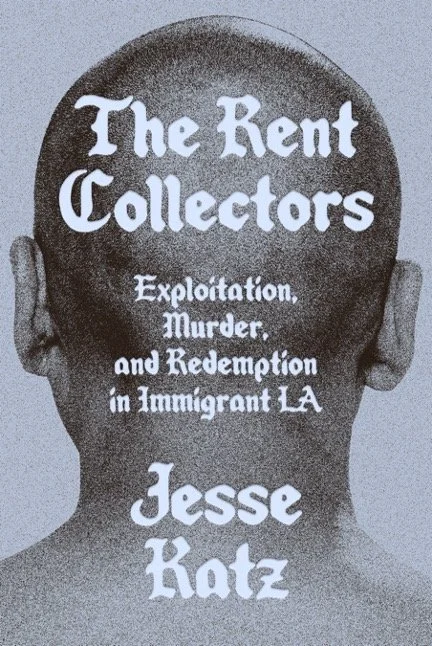
The Rent Collectors: Exploitation, Murder, and Redemption in Immigrant LA (Astra House)
Los Angeles Times Book Prize Winner
When at last he opened his eyes, it was because he was falling. That meant he wasn’t dead, not yet. The earth below Giovanni was like cinder, slick from an overnight mist and steep as a windswept dune. With each flinch of his body the slope loosed beneath him—a hiss of shale, a rush of gravel—propelling him downward.
Read the NY Times review here.
Read the LA Times review here.
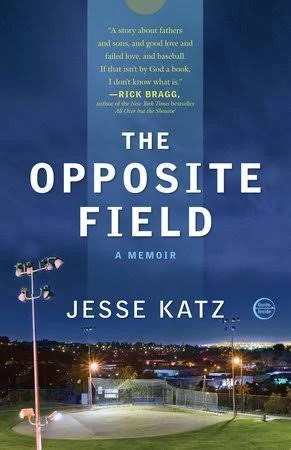
The Opposite Field: A Memoir (Crown Books)
My park is called La Loma. I have always liked the sound of that, the symmetry of those double-barrel Ls, the femininity of the final Spanish vowels, the spacey La-La Land echo, all an improvement on its stiff translation: the Hill. La Loma is prettier, softer and rounder, earthier—loamier. A park for losing yourself in. The park I went looking for myself in.
“Acutely observed, deeply human, and very wise about the game” — D. J. Waldie, Holy Land: A Suburban Memoir
Read more about The Opposite Field here.
Food
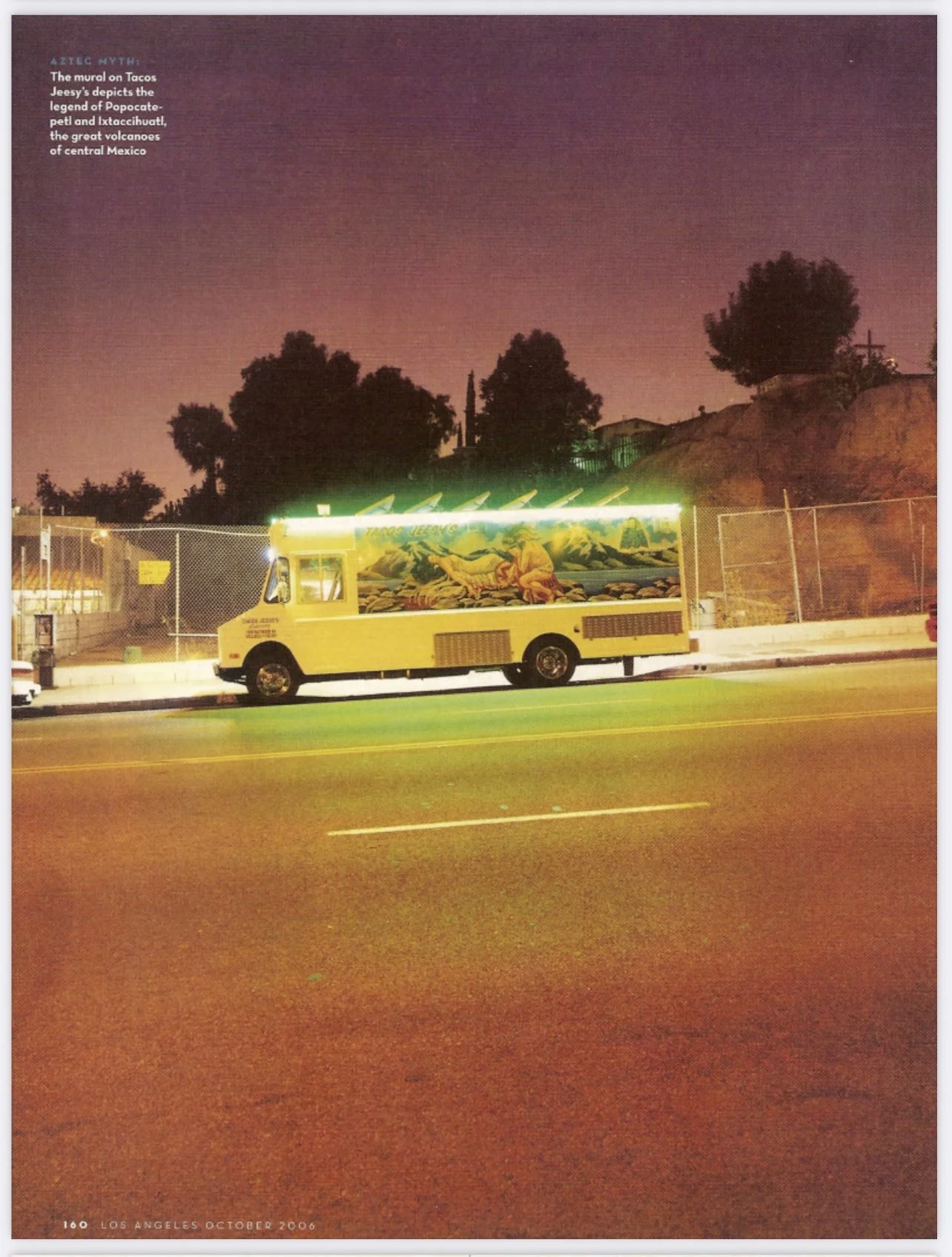
Wheels of Fortune | Los Angeles Magazine | Oct. 2006
Heading north out of Huntington Park, across the sooty flatlands of Vernon, past the spray-painted basin of the Los Angeles River, over the Santa Fe Railroad, over the Santa Ana Freeway, over the caverns of the future Eastside metro, Tacos Jeesy’s rattles and groans. The stereo thumps to Mexican narco ballads, tales of gunslinging farmers and duplicitous cops. Neon tubes swirl around the exterior, outlining the powder blue van in the emeralds and indigos of a carnival ride. Swaying in the back, on a shelf above the take-out window, is a shrine to el Niño Doctor, a faith-healing version of the baby Jesus—with votive candles, rosary beads, and a lucky $2 bill.
Winner of the James Beard Foundation’s M.F.K. Fisher Distinguished Writing Award
Read the rest of the story here.
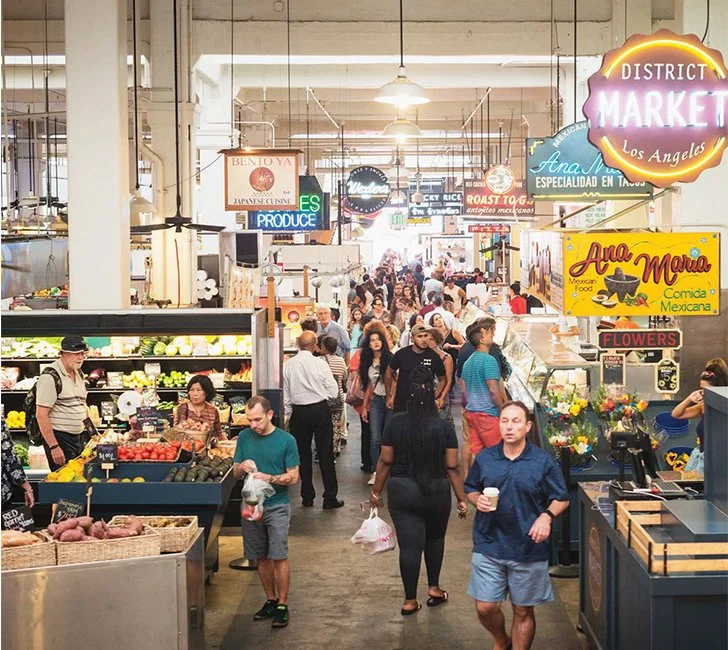
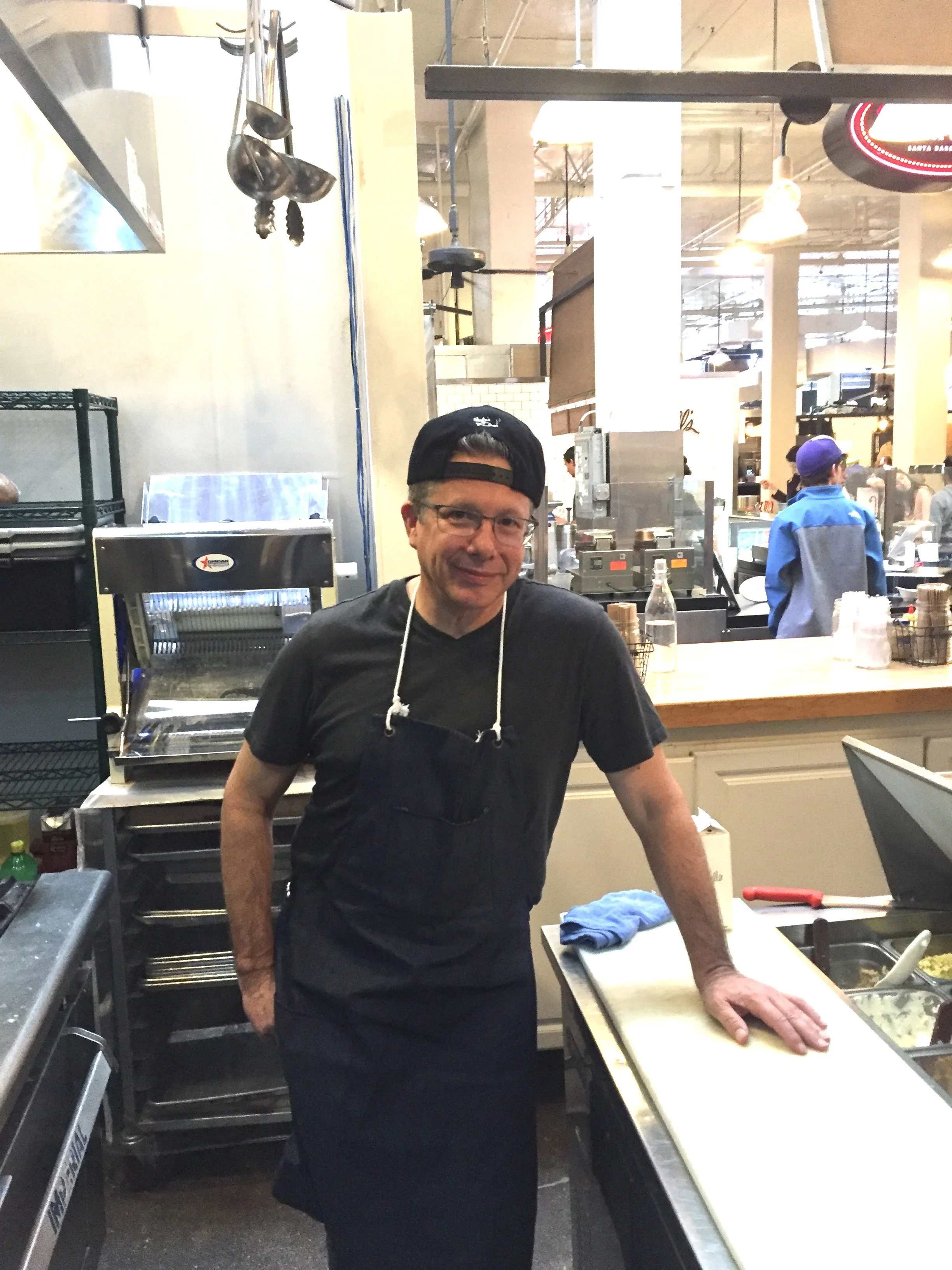
In the catacombs of Grand Central Market, beyond the chain-link fence at the loading dock, past the plastic slats of the employee gate, down the steps toward the toilets, at the end of a subterranean gangway thick with pipes and wires and grime, where wood pallets splay like discarded mattresses and padlocked walk-ins hum with refrigerated air, I loop my head through a denim apron and wriggle my fingers into latex gloves.
“One of the most perfect food stories I’ve every read” — Helen Rosner, The New Yorker/Eater
Read the rest of it here.
Inside the Gentrification of Grand Central Market | Los Angeles Magazine | Oct. 2016
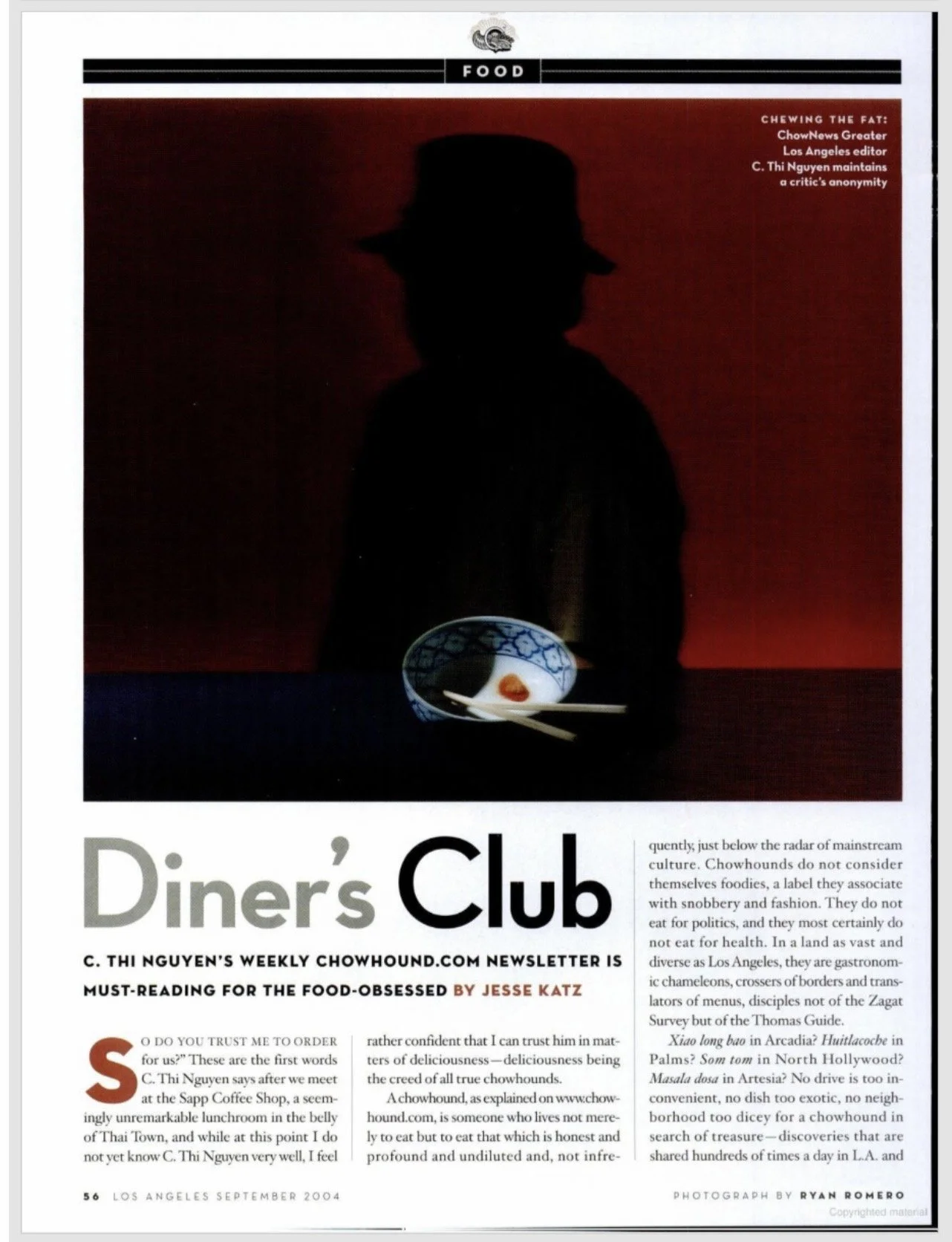
Diner’s Club | Los Angeles Magazine | Sept. 2004
“So do you trust me to order for us?” These are the first words C. Thi Nguyen says after was meet at the Sapp Coffee Shop, a seemingly unremarkable lunchroom in the belly of Thai Town, and while at this point I do not yet know C. Thi Nguyen very well, I feel rather confident that I can trust him in matters of deliciousness—deliciousness being the creed of all true chowhounds.
Read the rest of the story here.
Sports

Escape from Cuba | Los Angeles Magazine | April 2014
In a no-tell motel on Isla Mujeres, eight miles off the coast of Cancún, Yasiel Puig’s escape had come to a halt. Confined to a corner room at the end of a shabby horseshoe-shaped courtyard, he could only wait and hope, for his value to be appraised, his freedom to be bought. There was nothing personal about it, no loved one vowing to pay any price, only the calculus of a crude business. What was this gladiator-size man, with the Popeye forearms and the XXL chest, actually worth—to the people bankrolling his defection from Cuba, to the smugglers now holding him in Mexico, to the agents and scouts who would determine the U.S. market for his talents, to the baseball team that might ultimately write the check?
The first story to reveal the circumstances of Yasiel Puig’s journey from the sugarcane fields of Cuba to the outfield of Dodger Stadium, it was optioned for a biopic within days of publication.
Read the rest of it here.
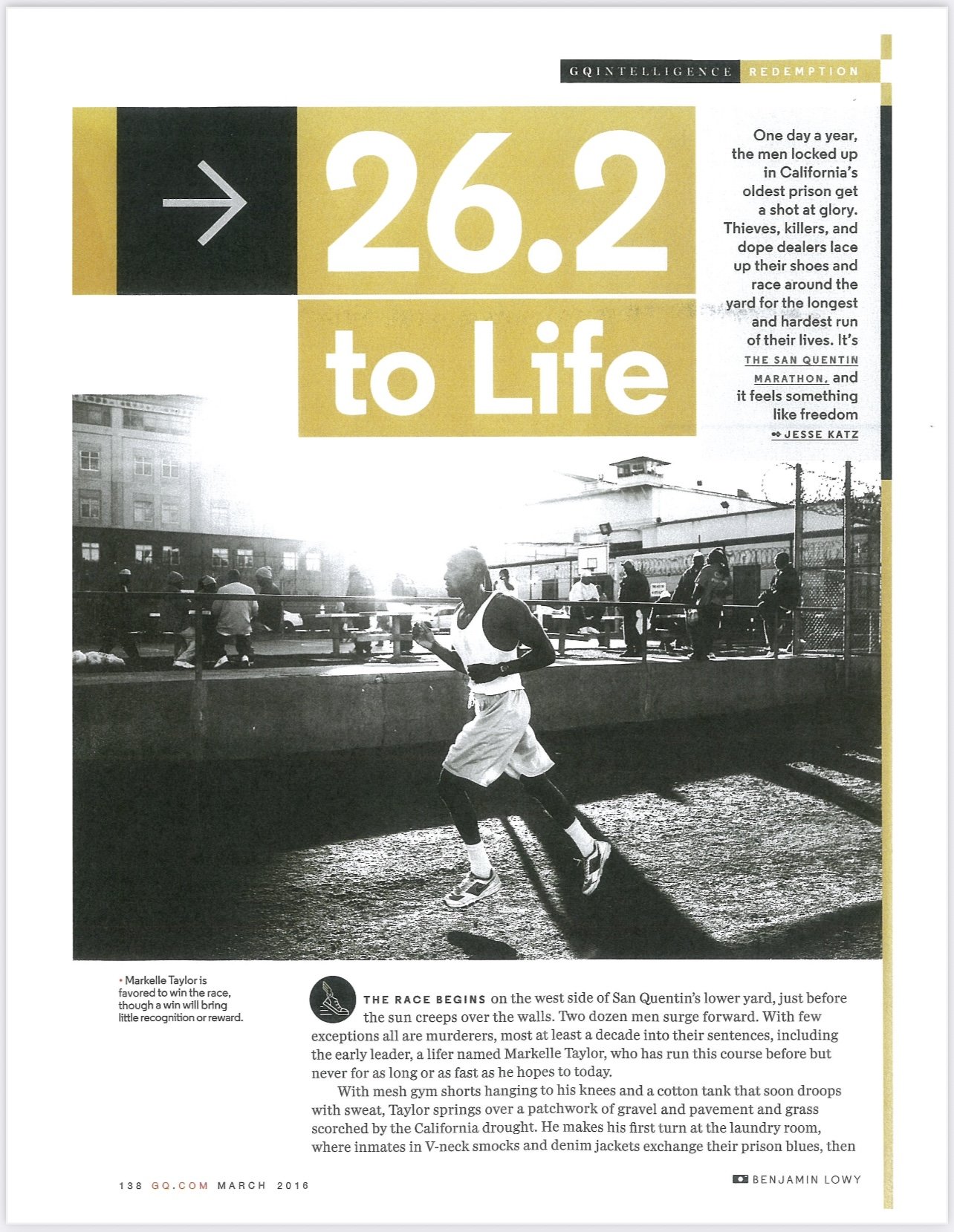
26.2 to Life | GQ | March 2016
The race begins on the west side of San Quentin’s lower yard, just before the sun creeps over the walls. Two dozen men surge forward. With few exceptions all are murderers, most at least a decade into their sentences, including the early leader, a lifer named Markelle Taylor, who has run this course before but never for as long or as fast as he hopes to today.
With mesh gym shorts hanging to his knees and a cotton tank that soon droops with sweat, Taylor springs over a patchwork of gravel and pavement and grass scorched by the California drought. He makes his first turn at the laundry room, where inmates in V-neck smocks and denim jackets exchange their prison blues, then jabs right at the horseshoe pit and climbs a tight concrete ramp—a pivot so abrupt it has a name: the Gantlet. He swings east across blacktop, past the open-air urinals, past the punching bag and chin-up bars, past the clinic that treats the swell of aging convicts, all while staying within the spray-painted green lines that are supposed to remind the 3,700 non-runners housed here not to wander into his path.
Anthologized in Best American Sports Writing
Read the rest of the story here.
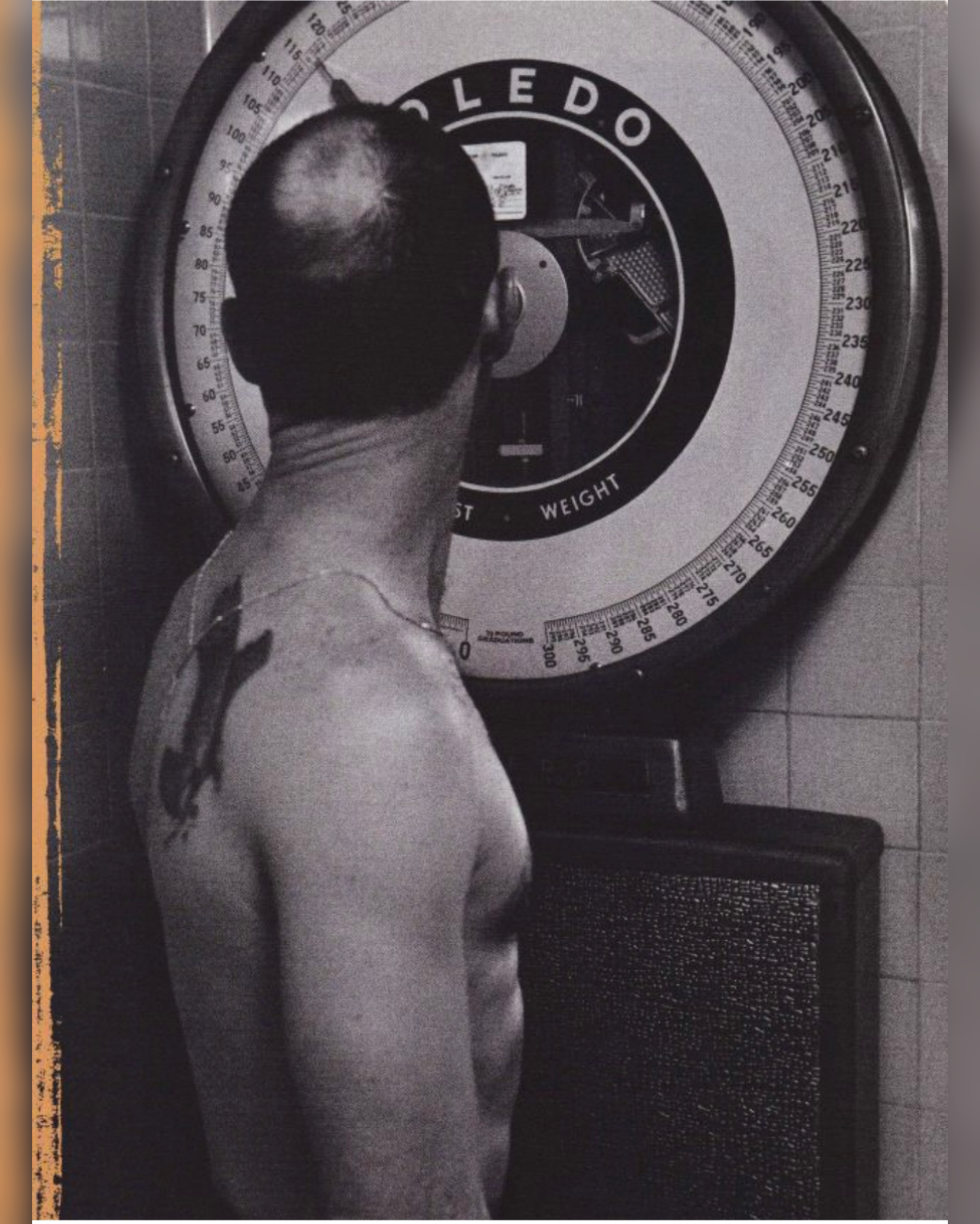
Little Big Men | Los Angeles Magazine | May 2001
On a cold, wet winter morning at Santa Anita Park, a chaplain enters the jockeys’ room. The first race is still an hour away, but the long, windowless shed is already crackling with bravado: the snap of horsewhips on patent leather boots, the smack of tobacco spit on linoleum tiles, the rat-a-tat of Spanish epithets in accents spanning the Americas. A couple of guys are playing gin, $5 a hand. Nobody ever pays up. A few are hunched over the Daily Racing Form with Hi-Liters, doing homework. There is a girlie calendar from an El Monte smog-check garage hanging on the wall. Some of the biggest names in the history of the sport will be riding today; a class of eighth-grade boys would tower over them all.
Read the rest of the story here.
Crime
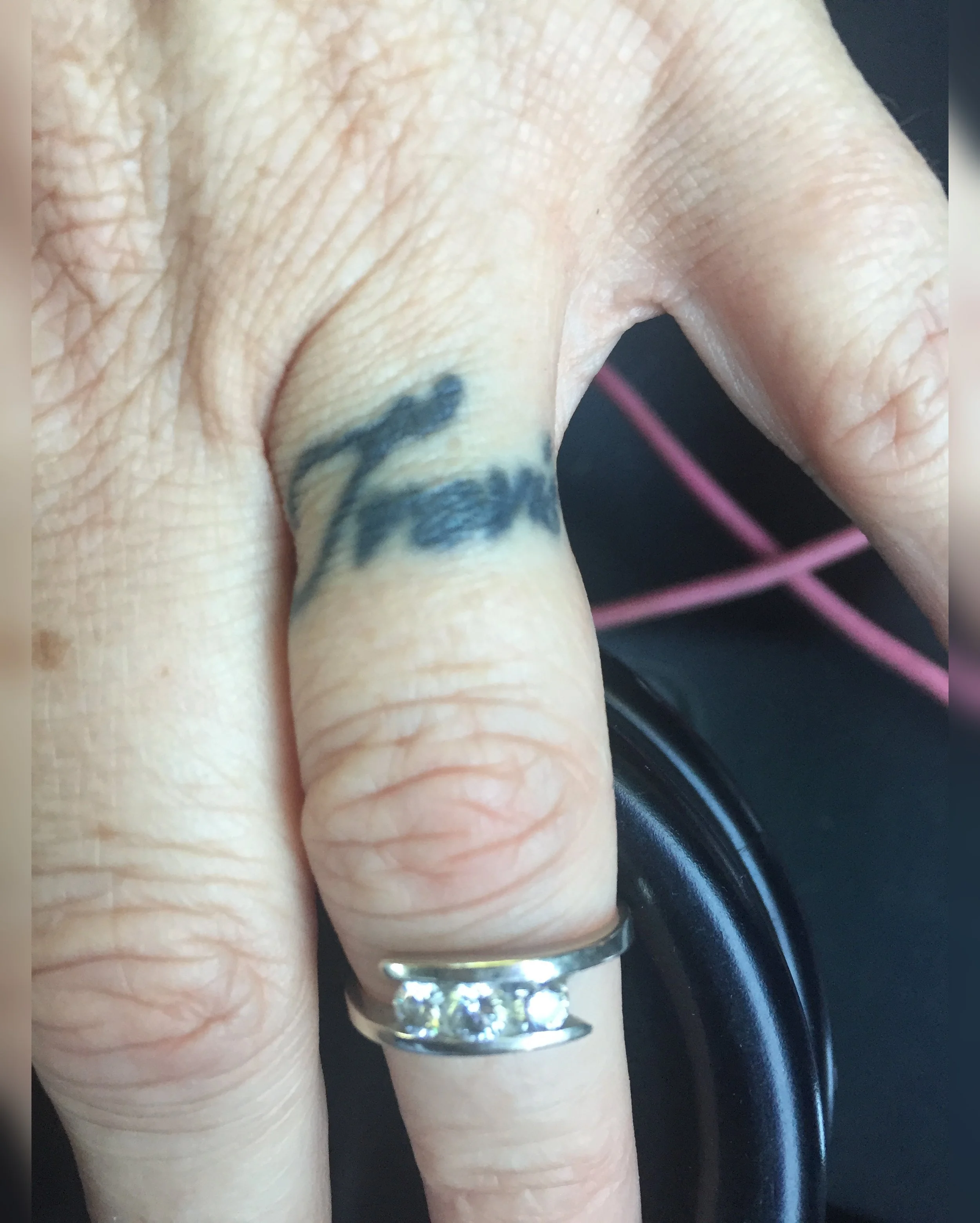
The Visit | Los Angeles Magazine | Nov. 2017
At 3:30 a.m. one Monday last summer, under the spotlight of a full moon, Kacey Berry left her home in the San Gabriel Valley foothills and aimed her Volkswagen Jetta at the desert: through the Inland Empire, past Palm Springs, around the Salton Sea, to the blistered prison town of Calipatria, where half of the 7,500 residents live behind bars. She had a stockpile of perfume bottles crammed in the glove compartment, a jumble of lipstick and mascara rattling in the map pocket, and a Monster energy drink tucked between her thighs. Folded in the back seat was a new set of Nautica sheets—silk, black.
On a steel bunk in a closet-size cell, encircled by a dozen gun towers and a 4,000-volt fence, her husband tossed and turned.
Read the rest of the story here.
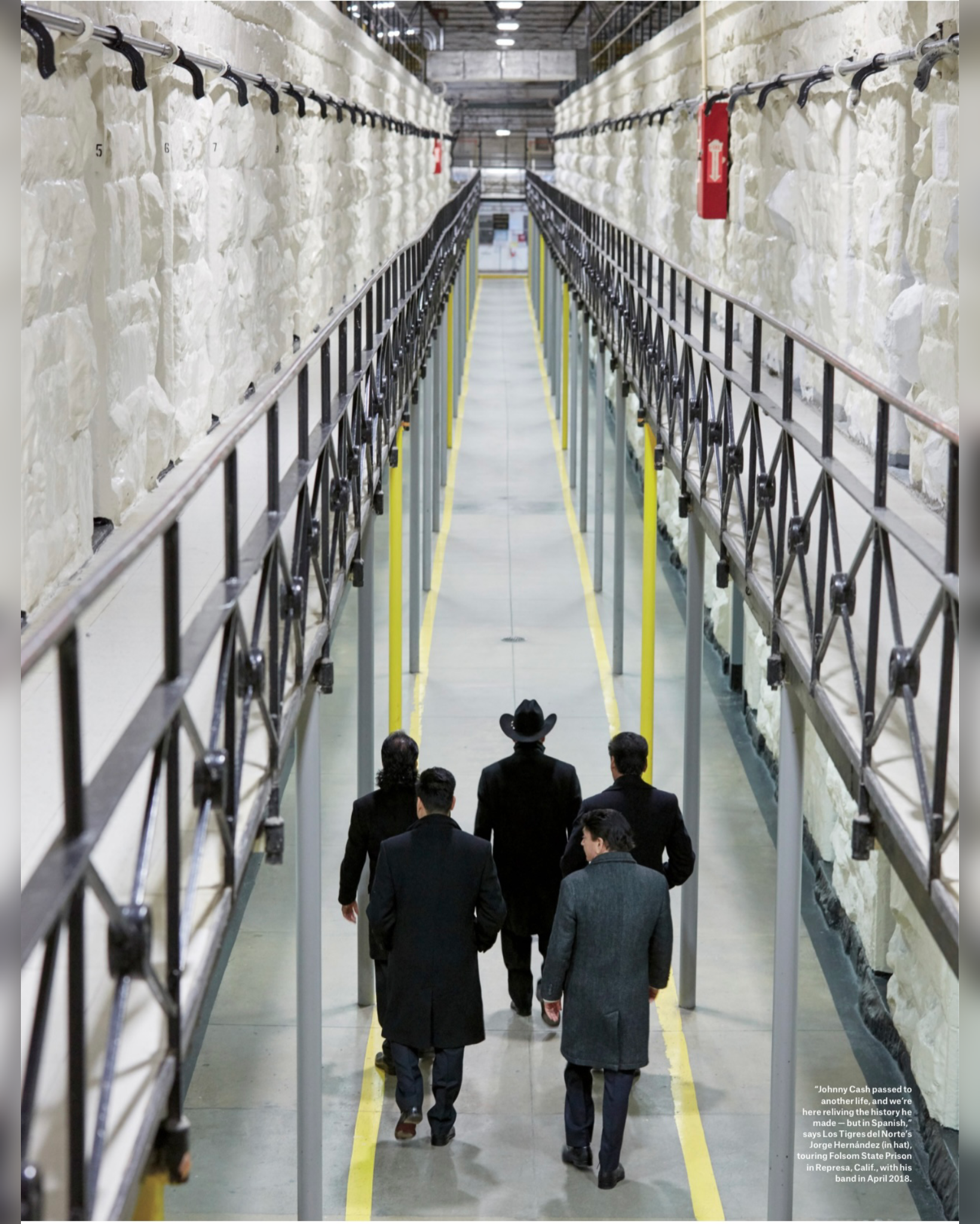
Redemption Songs | Billboard | Sept. 2019
The Hernández brothers can still picture it: the hand-hewn granite blocks, the saw-toothed archway, the sliding-bolt gate.
“When you hear the doors open, you feel, like, a chill in your body,” said Eduardo Hernández.
“Everything is cold, everything is iron,” said his older brother Hernán.
“And it feels very distinct when those doors close behind you,” said Jorge, the eldest of the Hernández brothers. “Doors that close and that for some never open.”
As the members of Los Tigres del Norte (including younger brother Luis and cousin Oscar Lara) sipped tea last month in a private room at a plush steakhouse in their home base of San Jose, they recalled the first moments of the 2018 concert that is about to catapult the world’s most popular Mexican band onto a new multimedia stage.
Read the rest of the story here.
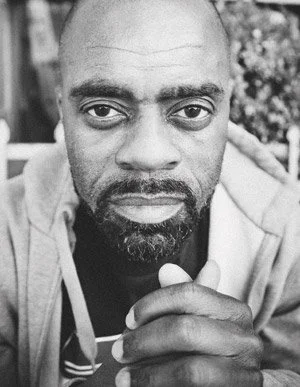
Freeway Rick Is Dreaming | Los Angeles Magazine | June 2013
It was a bright January morning in 1998, early into Ricky Ross’s sentence, and I had driven up the California coast, past Santa Barbara and over the Santa Ynez Mountains, where vineyards and seed fields meet razor wire and gun towers, to the federal prison in Lompoc. Originally a World War II disciplinary barracks, the compound became a maximum-security penitentiary after Alcatraz hit obsolescence; Lompoc was “the New Rock.”
He had grown up on 87th Place, where it dead-ends at the Harbor Freeway, which is how he earned his nickname: Freeway Rick. It was not uttered in awe, at least not in the beginning. To be poor and illiterate in the shadow of the 110 was to be a junky-ass freeway boy.
Later, when he emerged as the first crack boss of the cataclysmic 1980s, after he went from slanging $25 rocks to wholesaling $1 million loads, that moniker sounded like a Southern California joyride: slick, agile, unfettered, one step ahead of the law.
Read the rest of the story here.
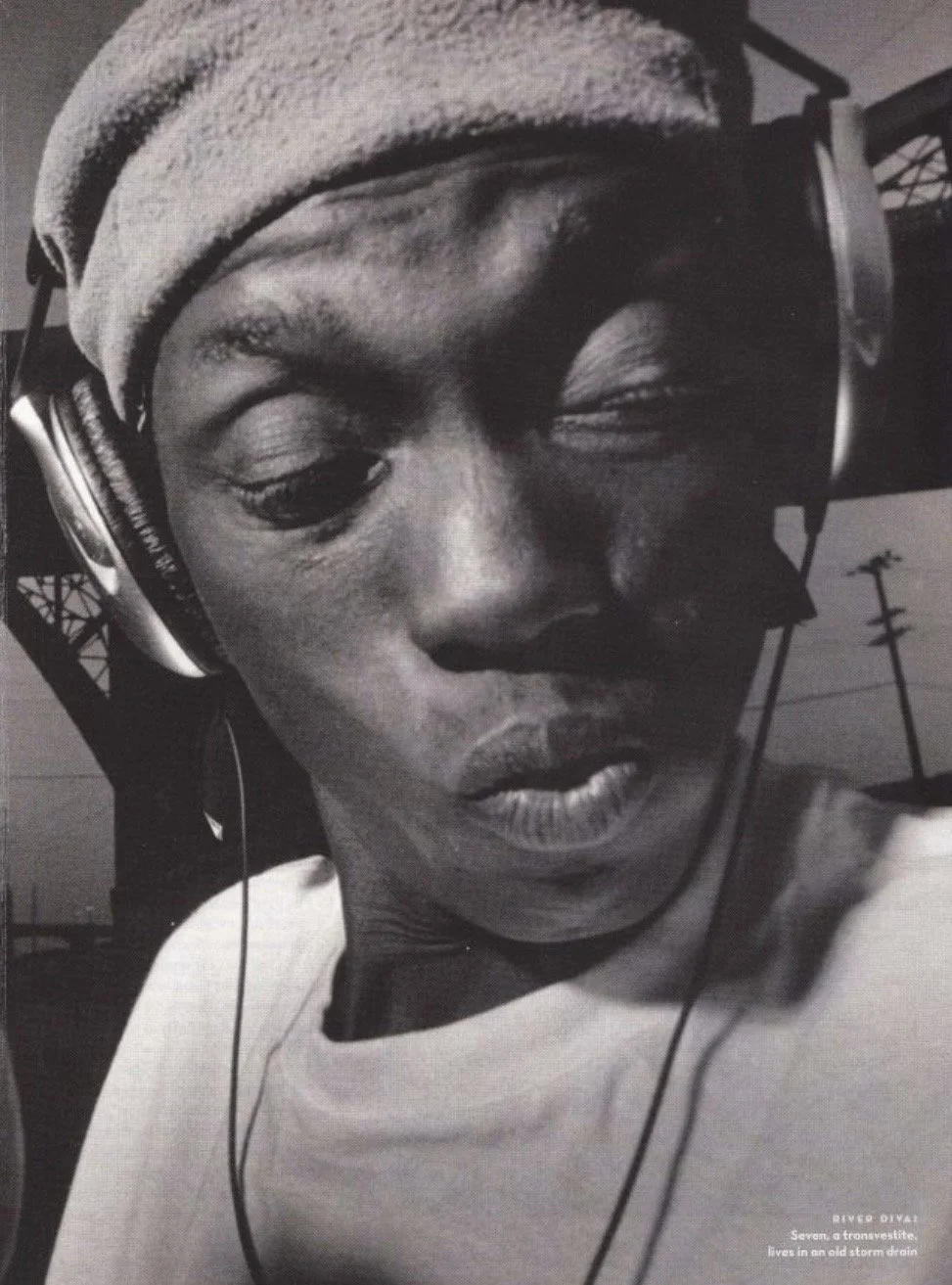
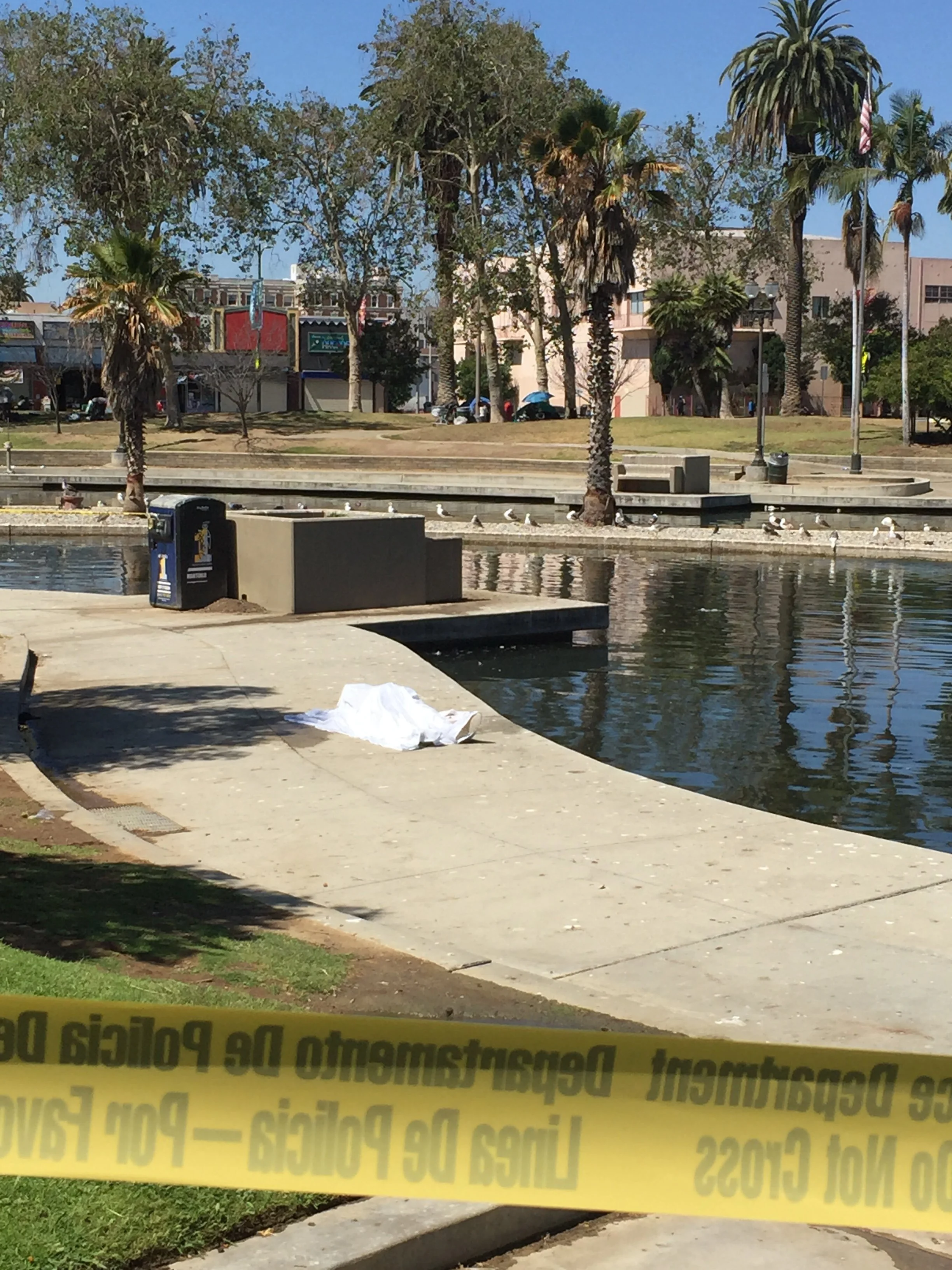
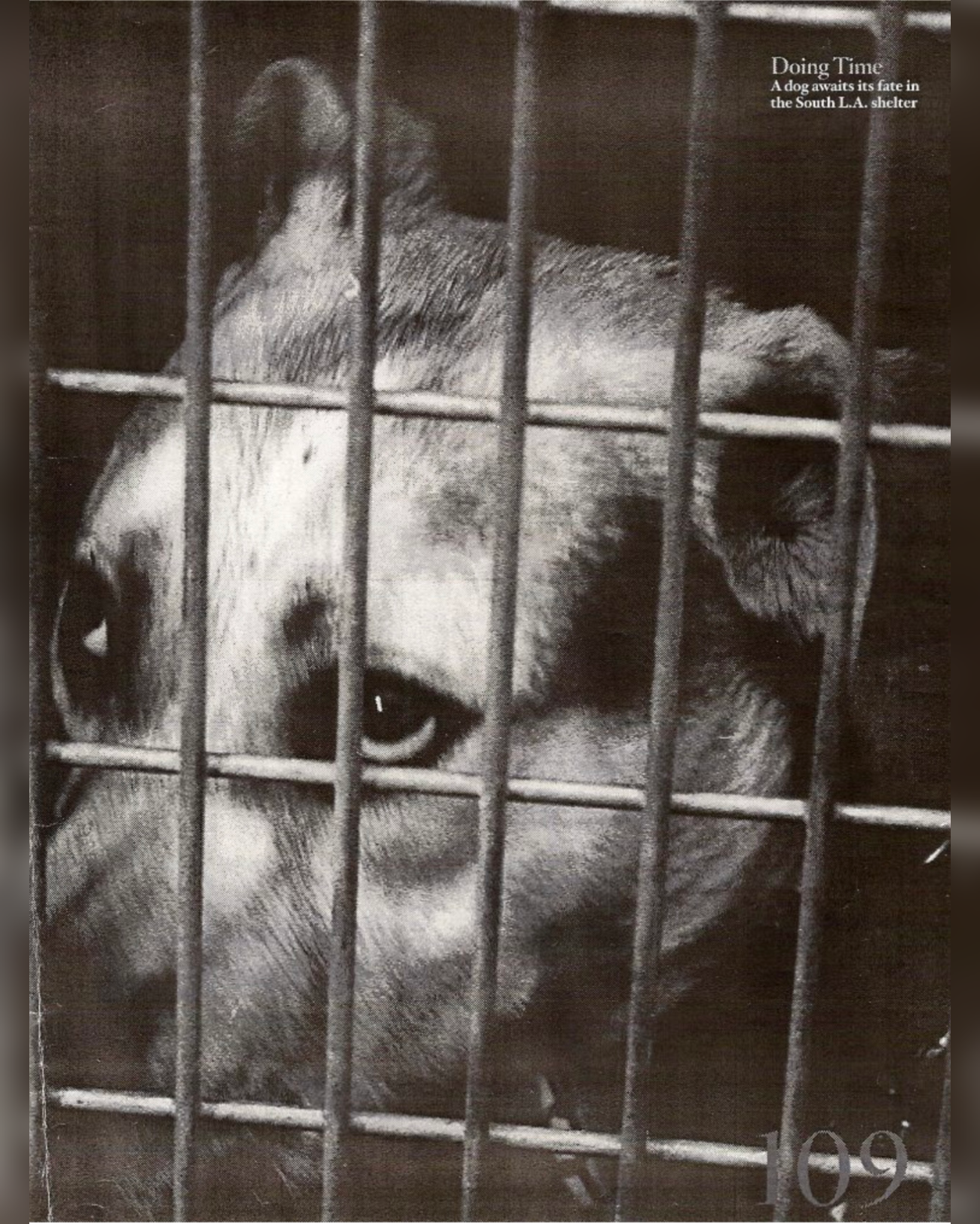
For stories: I’ve gone undercover as a migrant chicken worker. Drunk malt liquor at post-riot parties with Bloods and Crips. Piggybacked on a big-rig from the US border to Mexico City and returned with 48,000 pounds of pickled jalapeños. Shadowed an army recruiter for weeks. Enrolled at Central Casting and landed a spot in a Julia Louis-Dreyfus sitcom. Run from a wild hippo outside Pablo Escobar’s former hacienda. Worked as a stagiaire at a Grand Central Market deli.
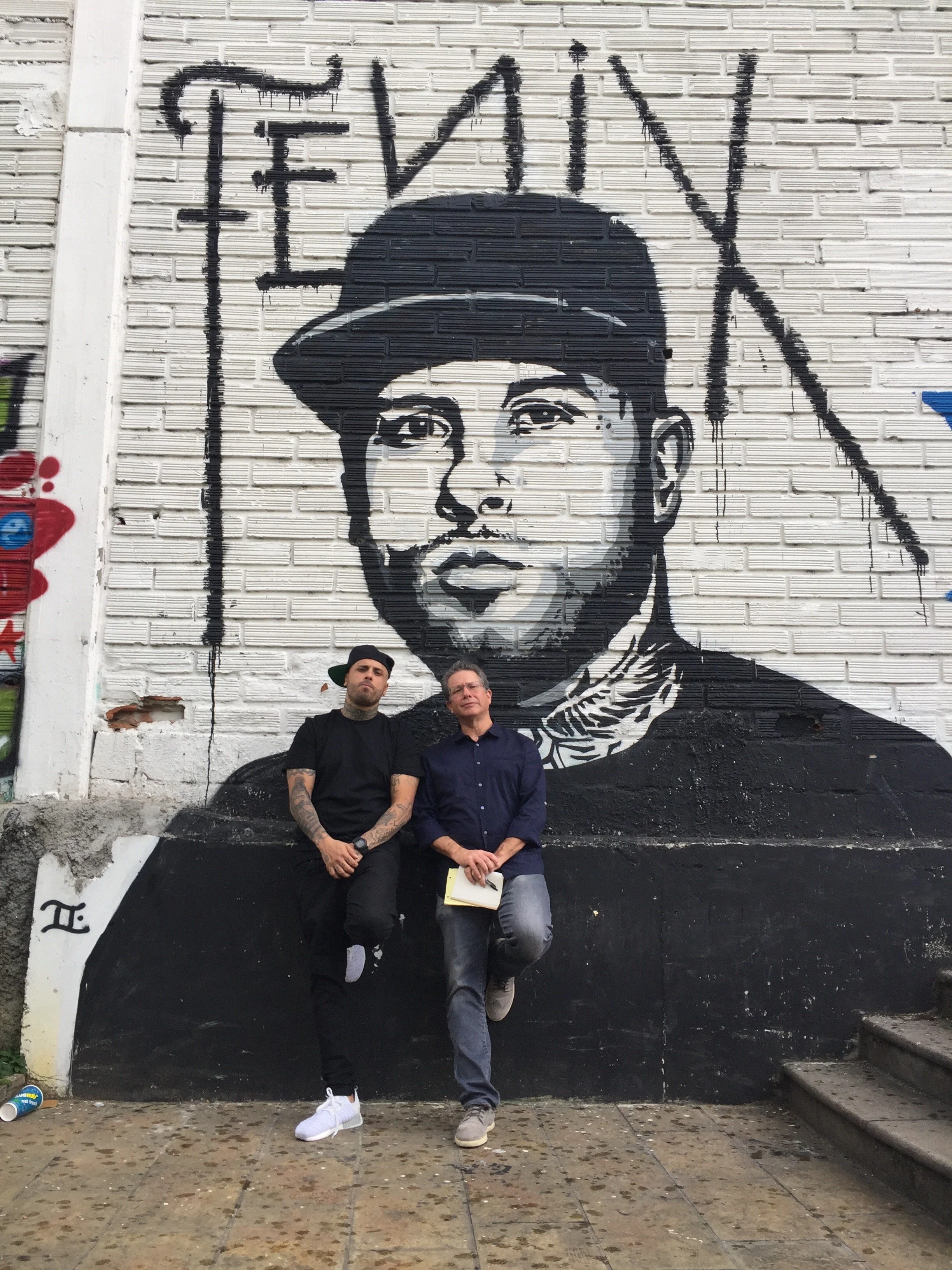
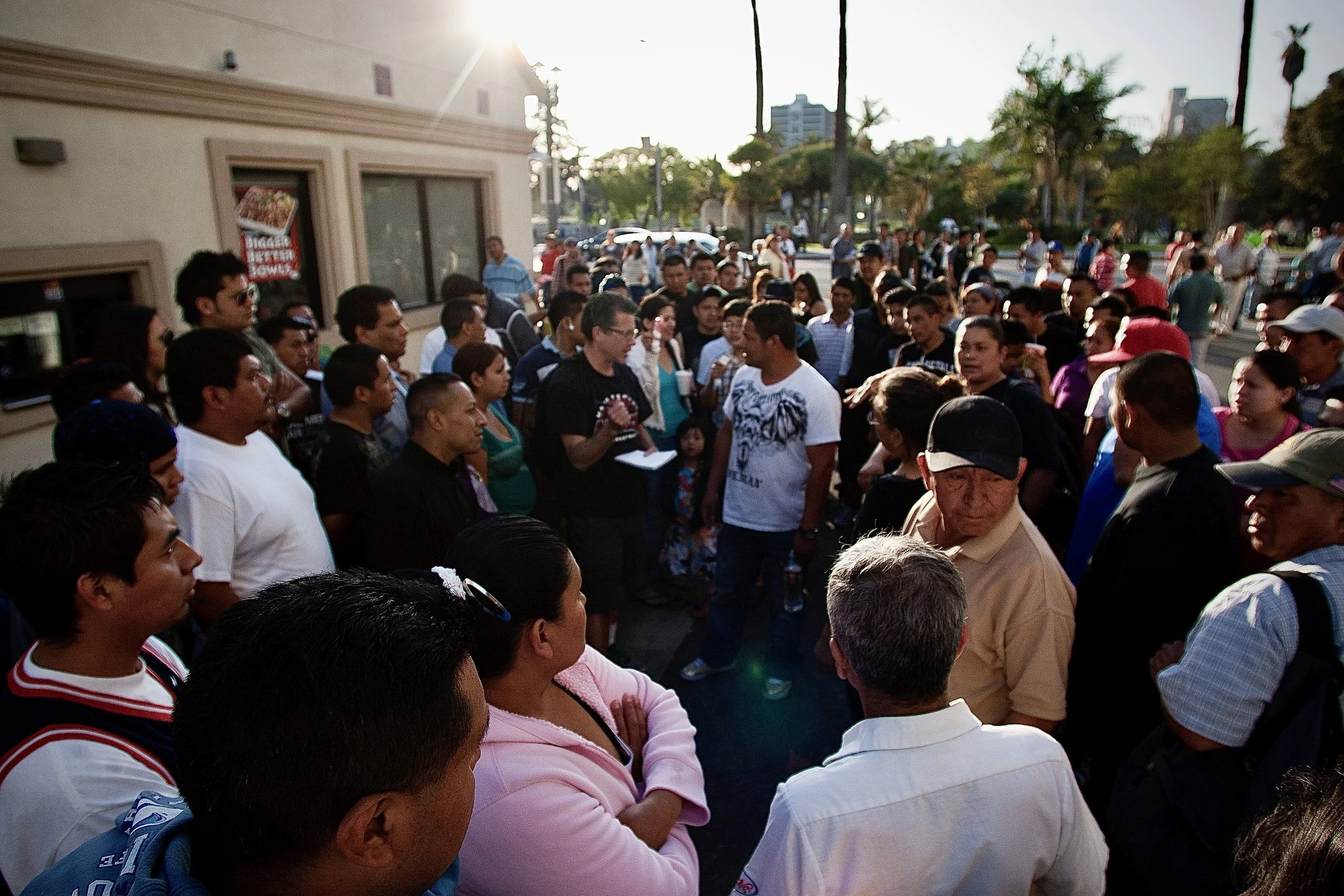
“Katz taps into our ache to find our shared humanity and indeed discover compassion as the answer to every question.”
— Gregory Boyle, founder of Homeboy Industries
About | Contact
I am the product of two immigrant journeys. My dad’s father, a Yiddish speaker from Pinsk, arrived at Ellis Island in 1921. The family name was Kieczkier—too messy for the immigration authorities. They chopped it down to Katz. My mom was a more recent arrival, a refugee from Nazi-occupied Europe. After escaping by foot across the Pyrenees, she made it to New York on a steamship in 1940. She was seven, a speaker of French and Russian, and determined to be American.
In 1964, when I was two, we relocated to Portland, Oregon, so that my dad, an artist, could take a teaching job. The move was supposed to be temporary—New York was, after all, the center of the cultural universe—but Portland offered a certain freedom, a chance to try on identities they might not have dared to pursue back east. Mom went into politics, eventually becoming mayor. Dad continued to teach and reimagine his work: from oils on canvas and spray-paint on fiberglas to laminate on wood and anodized coating on aluminum.
I had the fortune of growing up in the forgiving bubble of Portland’s west side, an urban village that was earthy and literate and tolerant. I chose a college on the other side of the country, in Vermont, that shared many of the same qualities. Bennington was an experimental bubble, free spirited yet insular. It famously shunned grades. I lucked into a workshop with Joe McGinniss, a generous teacher whose professional and personal foibles have since been well excavated. He introduced me to what was then the New Journalism, now literary journalism or creative nonfiction: Joan Didion, Tom Wolfe, Hunter S. Thompson, Gay Talese. I loved the idea of being a journalist, firmly planted in the world of fact, yet free to write with the verve of a novelist. With some of the pieces I did for his class, I managed to finagle my way into a summer internship at the Los Angeles Times in 1985.
Nothing in my life up to that point had really prepared me for LA, a place of sprawling disorder and kaleidoscopic collisions. Up and down the boulevards, Pico, Olympic, Beverly, and the avenues, Western, Vermont, Union, I found an LA saturated with refugees and divvied up by gangs, neglected by city hall and protected by saints, nourished by taco trucks and nursed by cantinas—a mad, neon-lit stew of tongues and pigments. I was intoxicated and overwhelmed, deeply unsure about my ability to decipher the world around me. I set out to try, and in one form or another, I count myself lucky to still be at it.